DISTRIBUTED SANCTUARY

SANCTUARY ISN'T
NECESSARILY A PLACE.
IT IS SAFETY.

For St. Croix's community cats, sanctuary can be a safe territory, a committed caregiver, reliable food, veterinary care and a plan for what happens when circumstances change.

PROVIDE SANCTUARY
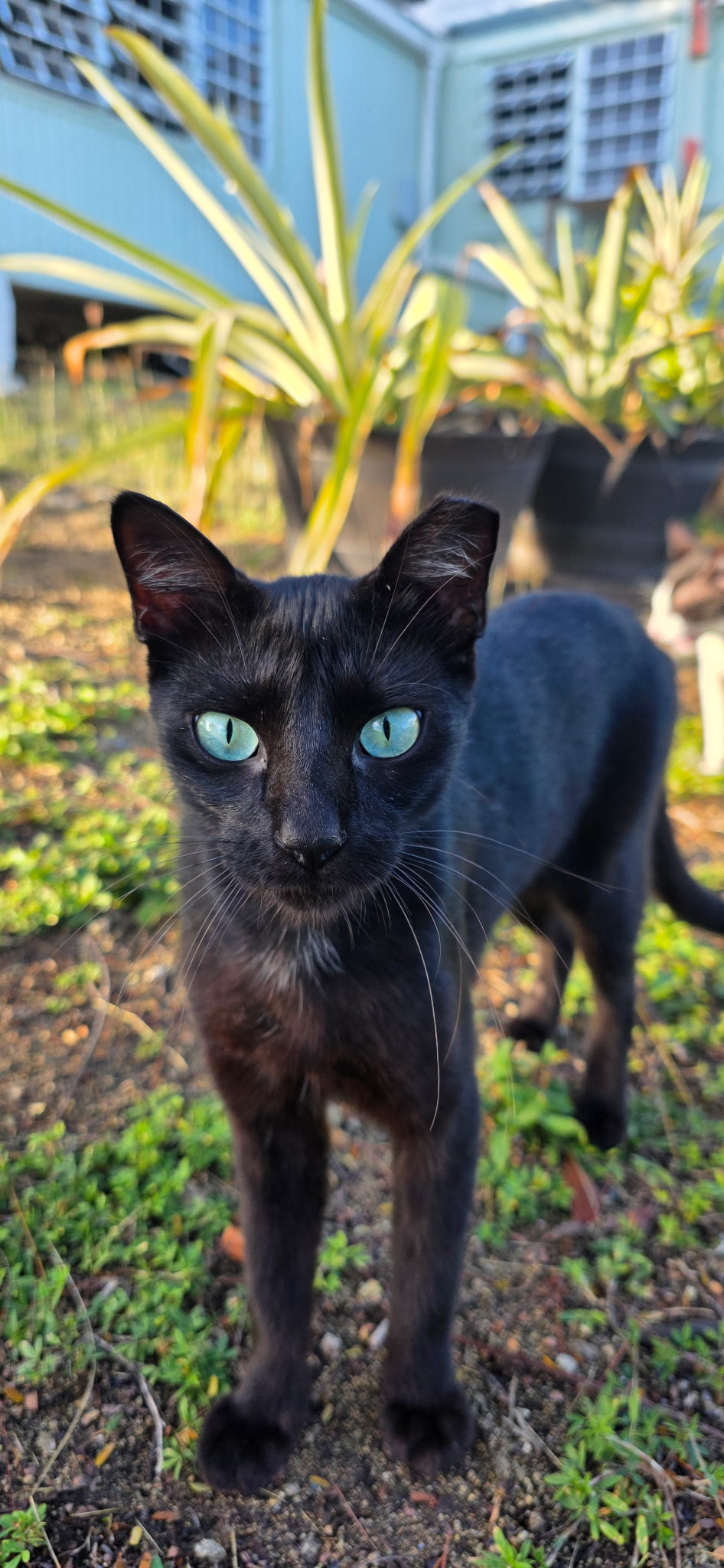
Healthy community cats living together at a managed St. Croix colony
A DIFFERENT WAY TO THINK ABOUT SANCTUARY

WE BRING SAFETY TO THE CATS.

Instead of assuming every community cat needs to be moved into one central facility, RCC supports cats in safe established territories whenever possible. We connect those places with TNVR, caregivers, food, monitoring, veterinary assistance and—when a location truly becomes unsafe—carefully planned relocation.

SAFE PLACE+TNVR+CAREGIVER+FOOD & WATER+MONITORING=SANCTUARY
WHY OUR IDEA OF SANCTUARY CHANGED

OUR ORIGINAL VISION WAS A PLACE.

For years, RCC hoped to create a centralized sanctuary on St. Croix. We acquired land and began planning what that sanctuary might become. But research—and years of hands-on experience managing colonies across the island—led us to ask a more important question: would bringing more and more cats to one location actually make them safer?

01

CATS ALREADY HAVE HOMES.

Community cats know their territory: where they sleep, eat, hide and which cats and people they trust. When that location is safe and a committed caregiver is present, moving them simply because another place is called a sanctuary may not improve their lives.

02

INTAKE MUST BE CONTROLLED.

A publicly known sanctuary could become an abandonment point. Cats left outside—or put over a fence without our knowledge—would create uncontrolled intake, crowd finite space and introduce animals of unknown vaccination, testing and health status into a carefully managed population.

03

THE LAND WASN'T SAFE ENOUGH.

The property RCC acquired for the original sanctuary was approximately half protected mangrove wetland, and the entire property was within a floodplain. On an island exposed to hurricanes and extreme rainfall, we ultimately did not believe it offered the long-term safety a permanent refuge should provide.

A sanctuary that isn't safe isn't a sanctuary.

04

ONE SITE CONCENTRATES RISK.

A centralized sanctuary puts cats, infrastructure, food, staffing and emergency risk in one place. A distributed network lets us support many smaller safe locations and adapt when a property, caregiver or circumstance changes.

ONE LARGE SANCTUARY

CATS COME TO
THE RESOURCES.

Land, fencing, shelter, staff, food and veterinary resources are concentrated at a single destination—and cats must leave their established territories to access them.

DISTRIBUTED SANCTUARY

RESOURCES GO
TO THE CATS.

We strengthen safe locations that already exist, support the people caring for cats there, and build additional safe locations for the cats who genuinely need somewhere new.

WHAT IT LOOKS LIKE

SANCTUARY CAN BE MANY THINGS.

A cared-for colony behind a hotel can be sanctuary. A homeowner's property can be sanctuary. A protected feeding area can be sanctuary. A small enclosure can be sanctuary.

What matters is not what the place is called. What matters is whether cats are safe, sterilized, fed, monitored and able to receive help when they need it.

Our Food for Ferals, TNVR and Business Services programs are all pieces of this network.

RCC
SUPPORT NETWORK
HOME
small colony
BUSINESS
managed colony
CAREGIVER
food + monitoring
ENCLOSURE
protected site
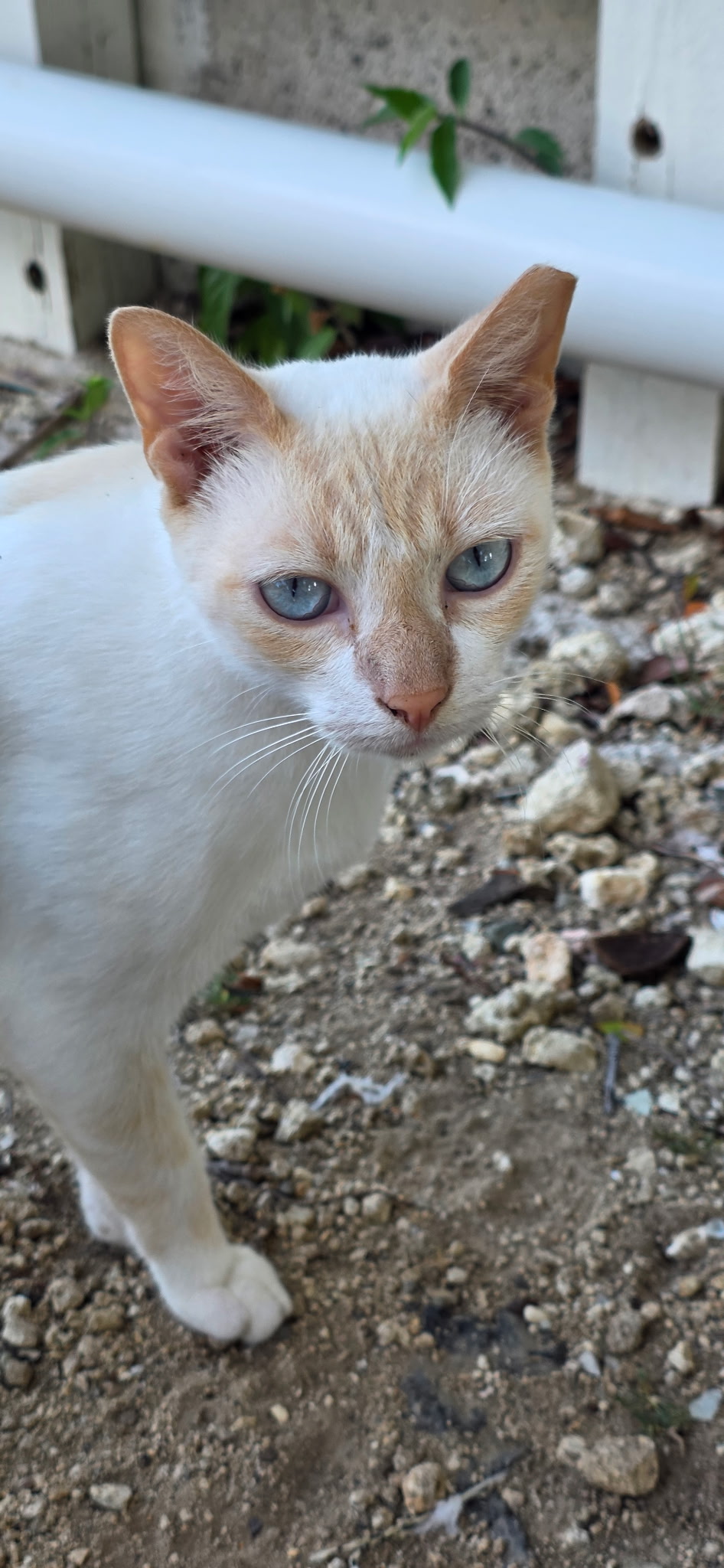
Community cats at a managed feeding location
WHEN A PLACE STOPS BEING SAFE

RELOCATION IS THE SAFETY NET—NOT THE DEFAULT.

Properties are sold. Development happens. Caregivers move. Cats may be threatened or a location may become physically unsafe. In those cases, RCC works to find an appropriate new location and move cats carefully.

Relocation is difficult for territorial community cats, so keeping a healthy colony safely in its established home is usually preferable. The distributed model gives us something crucial when relocation really is necessary: a growing network of potential safe places.

AN EVOLUTION OF THE ORIGINAL GOAL

THE IDEA OF SANCTUARY GREW.

What began as a vision for one centralized location has become a broader effort to create safety in multiple places across St. Croix. Sanctuary resources—including enclosures and other infrastructure—can support smaller colonies where they are most useful rather than requiring every cat to come to one site.

We haven't abandoned the idea of sanctuary. We've expanded it.

PROVIDE SANCTUARY

YOU DON'T NEED TO BUILD A SHELTER
TO CREATE SAFETY.

Distributed Sanctuary works when many people each do something possible.

HAVE PROPERTY?

Provide a safe home for a small managed colony or an emergency relocation site.

TALK TO RCC →

ALREADY FEED CATS?

Become a supported colony caregiver and help us monitor newcomers and health.

BECOME A CAREGIVER →

HAVE AN ACCESSIBLE LOCATION?

Help expand Food for Ferals by becoming a food-pantry distribution point.

HOST A FOOD PANTRY →

HAVE TIME?

Trap, transport, monitor colonies or help cats reach veterinary care.

VOLUNTEER →

ONE PERSON DOESN'T HAVE TO SAVE EVERY CAT.

AN ISLAND CAN CREATE SAFETY TOGETHER.

PROVIDE SANCTUARY FOR ST. CROIX'S CATS